


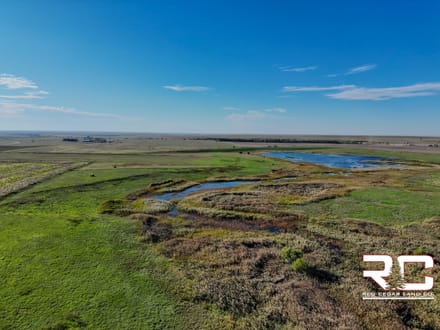
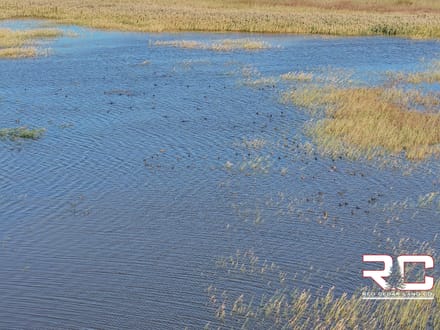

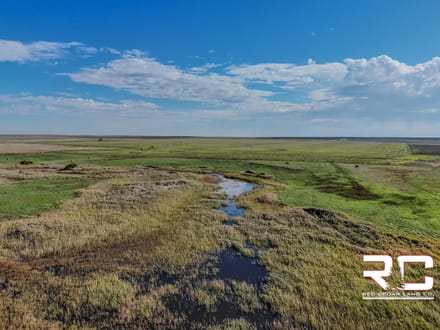
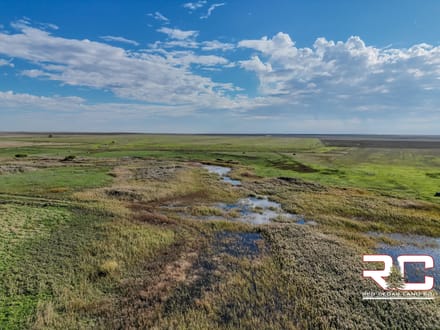
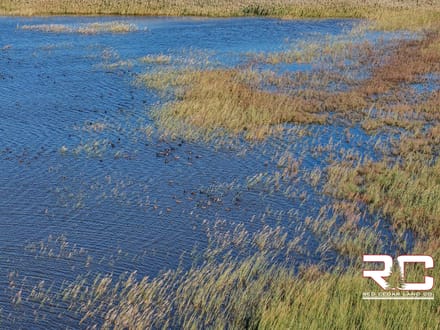


Land listings across the Central US include a mix of farmland, hunting tracts, and rural properties in states like Kansas and Missouri. Many land pieces feature road access, tillable ground, or wooded sections ideal for recreation or income. Buyers will find land suited for ag operations, homesites, or outdoor use with long-term ownership potential in regions known for open space, wildlife, and steady land value.
Frequently Asked Questions
What types of properties does Red Cedar Land specialize in across the Midwest and South?
Red Cedar Land focuses on rural land across Missouri, Nebraska, Arkansas, Oklahoma and Kansas with particular depth in Midwest whitetail hunting properties, working farms and recreational tracts.
The brokerage serves buyers seeking Missouri river bottom hunting ground, Nebraska farmland and rangeland, Arkansas timberland and duck hunting properties, Oklahoma deer and turkey hunting ranches and Kansas pheasant and wheat ground.
The core expertise is in matching serious land buyers with income-producing farms, managed hunting properties and recreational tracts that deliver both lifestyle and long-term investment value across the south-central and Midwest market.
What are Red Cedar Land’s primary markets and how do prices compare across its service territory?
Red Cedar Land’s service area spans land markets with dramatically different price profiles.
Missouri hunting and agricultural land in the northeast river counties runs $3,500 to $7,000 per acre for quality whitetail properties. Nebraska eastern farmland trades at $5,000 to $9,000 per acre, while Nebraska Sandhills native range runs $800 to $1,800 per acre.
Arkansas timberland and hunting land runs $1,200 to $2,500 per acre. Oklahoma hunting and ranch ground runs $1,000 to $2,500 per acre. Kansas wheat and pheasant country runs $1,500 to $3,500 per acre.
The spread from $800 per acre in the Nebraska Sandhills to $7,000 per acre in Missouri river bottom hunting country reflects the enormous variation in land type across the coverage area.
What financing options are available for rural land buyers in the Midwest and South?
Farm Credit institutions operating in the Midwest and South are the most established lenders for rural land, with Farm Credit of Mid-America covering Missouri, Farm Credit Services of America covering Nebraska and Kansas and Farm Credit Midsouth covering Arkansas and Oklahoma.
These cooperative lenders specialize in agricultural and rural land and are typically more flexible on down payments, loan-to-value and property type than commercial banks. USDA Farm Service Agency loans are available for beginning farmers meeting income and experience requirements.
Seller financing is common in the rural land market, particularly for smaller tracts, recreational properties and buyers with strong equity positions who do not need institutional loan amounts.
What due diligence is most important when buying rural land in Red Cedar’s core markets?
Title research is foundational in all of Red Cedar’s markets, with particular attention to mineral rights severance in Oklahoma and Arkansas where oil and gas rights have been widely separated from surface ownership.
Legal road access confirmation is critical in all states because rural tracts without deeded road frontage or recorded easements may appear accessible but have no legal right of entry. Survey confirmation should be obtained when deed descriptions are old metes-and-bounds legal descriptions rather than recorded plat references.
Flood zone status from FEMA maps matters in the Missouri and Arkansas river bottom counties. For any property with timber, an independent timber cruise should precede the offer.