


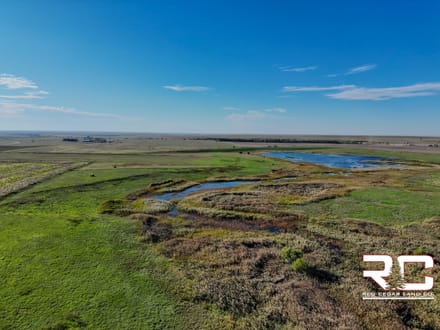
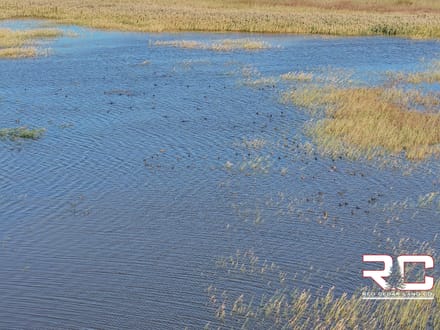

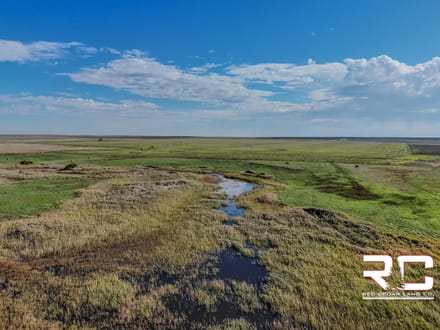
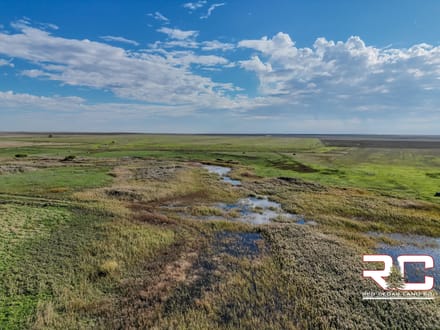
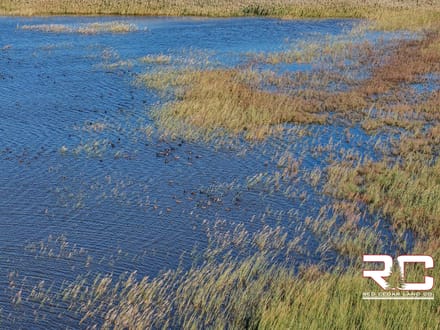


Midwest farm listings include row crop ground, pasture, and mixed-use land pieces with road frontage and rental history. Many farms feature tiled acres, fencing, or water access for cattle or irrigation. Buyers will find strong soil profiles, long-term ag value, and room for operational growth. These properties support full-time farming or investment with consistent returns in key ag-producing counties.
Frequently Asked Questions
What makes the Midwest farm market one of the most reliable long-term land investments?
Midwest farmland has delivered consistent long-term returns through a combination of cash rental income and appreciation that has outperformed many asset classes over rolling 10 and 20-year periods.
The productive agricultural soils of Nebraska, Kansas, Iowa and Missouri were formed over thousands of years under native grassland and cannot be manufactured or replicated. Global food demand growth from developing countries drives sustained commodity prices that support farm income and land values.
The land does not depreciate, does not become obsolete and generates income from a tenant farmer each year. For buyers willing to accept commodity price cycles as normal variability rather than catastrophic risk, Midwest farmland is among the most reliable wealth preservation and income-generating assets available.
What crops define Nebraska, Kansas, Missouri and Arkansas farming operations?
Nebraska and Kansas are corn, soybean, winter wheat and grain sorghum states in their eastern and central tiers with significant irrigated corn and soybean production in the Platte River Valley under center pivot irrigation.
Missouri is a corn, soybean and hay state in the north with significant cotton and rice production in the Bootheel. Arkansas leads the nation in rice production with the Stuttgart Grand Prairie being the center of its rice and soybean economy.
The convergence of these four states in Red Cedar’s coverage area creates a land market spanning everything from irrigated Nebraska corn ground to dryland Kansas wheat to Arkansas rice and soybean bottomland to Missouri river bottom hunting properties.
How do cash rents compare across Red Cedar’s farm markets?
Cash rent comparisons across Red Cedar’s market show significant variation by state and soil quality.
Nebraska irrigated corn ground in the Platte Valley runs $175 to $275 per acre, while Nebraska dryland eastern farmland runs $120 to $190 per acre. Kansas northern tier wheat and corn ground runs $100 to $175 per acre.
Missouri northern tier quality cropland in Adair and Putnam counties runs $130 to $220 per acre. Arkansas Delta rice and soybean ground in Prairie and Arkansas counties runs $130 to $210 per acre.
The USDA’s annual Land Values report and each state’s extension service publish benchmark data for lease negotiations. Cash rents in these markets are generally below Iowa and Illinois for comparable soil productivity, reflecting both lower land prices and regional market depth differences.