
Key Takeaways
- Kansas deer hunting runs heavy on whitetails, with smaller pockets of mule deer mixed in across western units.
- The state offers archery, muzzleloader, and firearm seasons spread from early fall through winter.
- Tags, draw systems, and unit restrictions vary for residents and non-residents, so planning ahead is part of the game.
- Early season hunts focus on patterns. The rut brings peak movement. Late season comes down to food sources.
- Eastern Kansas holds higher deer densities. Central regions often produce bigger bucks, which makes location a major call.
Kansas sits high on the list when deer hunters talk about destinations. The state runs productive herds of both whitetail and mule deer. Whitetails thrive across the entire state, from thick river bottoms in the east to scattered crop edges in the west. Mule deer hold territory in the western counties where rolling prairie meets open ranch country.
Public access stands out here. Kansas operates the Walk-In Hunting Access program with over 1 million acres enrolled. That puts serious ground under your boots without fighting for space. Private land still dominates, but WIHA tracts give resident and nonresident hunters real options. The trophy potential stays consistent, too. Mature bucks show up in harvest reports from nearly every unit each season. If you are looking for quality Midwest hunting land for sale, Red Cedar Land works with buyers who want access to prime whitetail and mule deer habitat across the state.
Deer Species Found in Kansas
Whitetail Deer
Found in every Kansas county. They bed in creek drainages, river timber, and shelter belts during the day. At dawn and dusk, they move into adjacent crop fields and grasslands to feed. Eastern and central Kansas hold the highest whitetail densities. Body weights run heavier in these regions due to better feed and cover.
Mule Deer
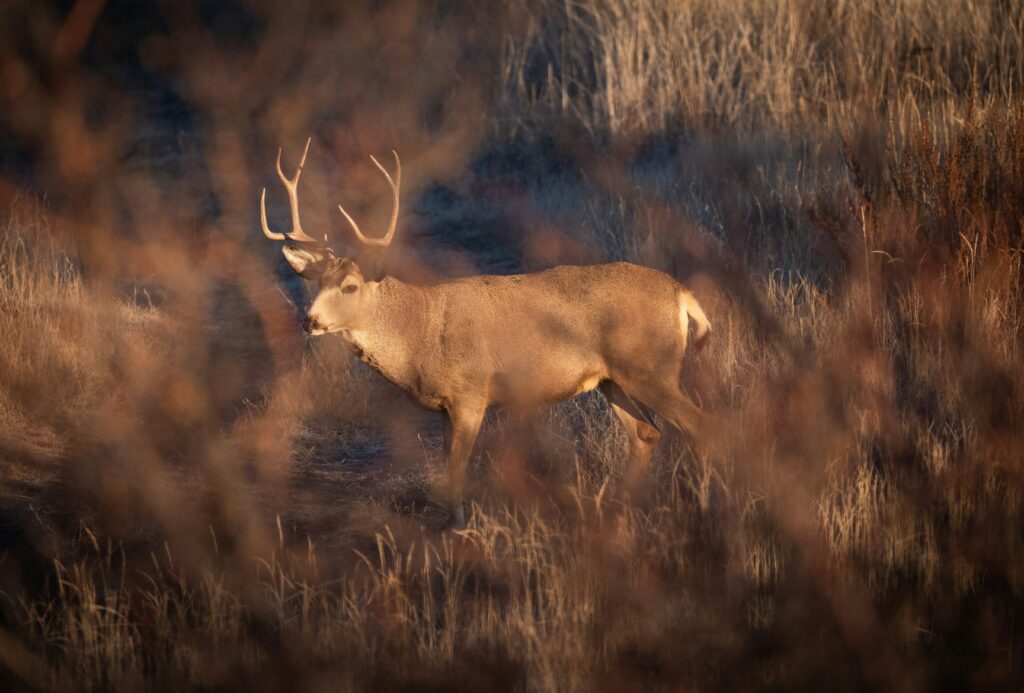
Western Kansas mule deer concentrate in Units 1 through 6. They favor open country with scattered draws, sandhills, and short grass prairie. Glassing from high points produces better results than still-hunting. Mule deer movement patterns differ from whitetails. They cover more ground and bed in more exposed terrain.
Kansas Deer Hunting Seasons and Dates
Archery Season
Runs mid-September through December. This long window covers early-season feeding patterns, the full rut, and late-season food source concentrations. Archery hunters can use compounds, recurves, longbows, and legal crossbows.
Muzzleloader Season
Runs two weeks in mid-September. Hunter numbers drop during this window. Bucks still follow late summer patterns in September. Residents and nonresidents need muzzleloader permits to hunt this season.
Pre-Rut Firearm Whitetail Antlerless Season
Short three-day season in mid-October in select units. Unit 12 typically runs an extended week-long antlerless season. Any permit allowing antlerless whitetail harvest works. Blaze orange required.
Firearm Season
Runs approximately 12 days in early to mid-December. Peak hunter participation happens during this season. The season overlaps with late rut activity in many regions. All legal deer permits work during firearm season within unit restrictions.
Youth and Disabled Hunter Season
Early September, typically the first or second week. Hunters 17 and younger hunt under adult supervision. Disabled hunters with proper permits also qualify. All deer permits are valid. Blaze orange required.
Military Installation Seasons
Fort Leavenworth and Fort Riley operate separate calendars. Fort Leavenworth runs multiple firearm segments through November and December with special access requirements. Check current schedules before hunting military lands.
Deer Permits, Tags, and Costs
Resident and Nonresident Rules
- Residents purchase deer permits over the counter for archery, muzzleloader, and firearm seasons. No draw required for residents hunting whitetails. Residents wanting mule deer must enter a separate draw for Either-Species permits in western units.
- Nonresidents must enter a draw for all deer permits. The application period typically runs from April 1 through late April each year. Draw results announced in early June. Nonresident permits specify unit and season type.
- Antlerless Tags sell over the counter starting August 1. Hunters can buy up to 10 antlerless whitetail permits. The first permit works statewide except Units 1, 2, 17, and 18. Additional permits valid in Units 1-5, 7, 11-16, and 19 on private land only.
Licensing Fees
| Permit Type | Resident | Nonresident |
| Hunting License | $27.50 | $127.50 |
| Any-Deer Archery | $42.50 | $477.50 |
| Muzzleloader | $42.50 | $477.50 |
| Firearm | $42.50 | $477.50 |
| Antlerless Only | $22.50 | $52.50 |
| Youth Permits | $12.50-$22.50 | $117.50 |
| Mule Deer Stamp | Draw only | $152.50 |
Nonresident permit fees include a $27.50 application fee. Successful applicants pay the full permit cost. Unsuccessful applicants receive preference points and refunds minus application fees.
Kansas Deer Hunting Regulations
- Hunter Education: Required for anyone born on or after July 1, 1957. Hunters must carry certification while in the field.
- Blaze Orange: Required during all firearm seasons and youth season. Hunters must wear at least 200 square inches of blaze orange or pink (100 on front, 100 on back) on the upper body, plus an orange hat.
- Tagging and Transport: Tag your deer immediately after harvest. Proof of sex must remain attached during transport. CWD restrictions apply to carcass movement. Bone out deer in the field when possible and leave the head, spine, and organs at the harvest site.
- Weapons Rules
-
- Archery: Compound bows, recurve bows, longbows, and legal crossbows. Minimum 40-pound draw weight.
- Muzzleloaders: .40 caliber or larger, single-shot only, scopes allowed.
- Firearms: Centerfire rifles and handguns (not fully automatic) using expanding bullets (soft point, hollow point, or similar). Any gauge shotgun with slugs.
- Baiting: Legal on private property. Prohibited on all public lands, including Walk-In Hunting Access areas.
- Tree Stands and Blinds: Must have the owner’s name and address posted if placed on public land.
- Trespass Law: Written permission is required to hunt private land. Kansas law protects private property even without posted signs.
Proven Hunting Tactics by Season
Early Season (September-October)
Deer follow predictable feeding patterns during the early season. Focus on transitions between bedding areas and food sources like soybeans and alfalfa. Set stands 50 to 100 yards off food sources along trails and hunt evenings when temperatures stay high. Water sources matter during dry periods, and small ponds or creek crossings concentrate deer movement. Keep entry and exit routes quiet since deer spook easily before hunting pressure conditions them.
Pre-Rut and Rut (Late October-December)
Buck movement increases dramatically as scrapes and rubs show up along field edges and in timber. Target pinch points between doe bedding areas where bucks cruise, checking for receptive does. Rattling and calling work well in central and eastern Kansas from late October through mid-December. All-day sits pay off during peak rut when bucks move at midday, checking doe groups. Cold fronts trigger increased activity, so hunt transition zones between bedding and feeding areas.
Late Season (December-January)
Cold weather pushes deer to food sources like standing corn, wheat fields, and sorghum stubble. Find the food source and you find the deer. Scout from roads to locate feeding areas without adding pressure. South-facing slopes warm faster on sunny days and deer bed there during cold snaps, so hunt bedding-to-feeding transitions on late afternoons. During antlerless seasons in January, focus on doe groups at the same food sources since mature bucks often travel with does.
Top Kansas Deer Hunting Areas to Explore
- Fort Riley
High deer numbers with lottery permit access. The military base holds quality whitetail habitat. Application required through Fort Riley outdoor recreation. - Cimarron National Grassland
Located in southwest Kansas. Mix of mule deer and whitetails. Open country with draws and sandhills. Less hunting pressure than in other public areas. Walk-In areas nearby supplement federal ground. - Milford and Perry Reservoirs
Strong archery success rates. Timber surrounds both reservoirs. Federal land allows hunting around the lakes. Nearby Walk-In areas provide additional access. High hunter numbers during firearm season. - Cheyenne Bottoms Area
Productive WIHA properties ring the wetlands. A mix of grassland and crop edges. Good deer numbers in surrounding counties. The Western Kansas location means lower pressure. - Flint Hills Region
Scenic mixed habitat. Native grassland with scattered timber along creeks. Private land dominates, but WIHA tracts are scattered throughout. Consistent mature whitetail sightings. Units 10, 11, and 12 cover most Flint Hills range.
FAQs About Kansas Deer Hunting Season
What months are deer season in Kansas?
Kansas deer seasons run from September through January. The youth season opens in early September. Archery season starts mid-September and continues through December. Firearm season runs from early to mid-December. Extended antlerless seasons extend into late January in select units.
What month is best for deer hunting?
December offers the best combination of rut activity and open seasons. The firearm season in early to mid-December overlaps with the late rut in many areas. Archery hunters do well from late October through November during peak rut activity. Late September through early October produces consistent early-season success on feeding patterns.
How much does it cost to hunt deer in Kansas?
Residents pay $27.50 for a hunting license plus $42.50 for archery, muzzleloader, or firearm permits. The total cost runs around $70 for residents. Nonresidents pay $127.50 for the hunting license plus $477.50 for deer permits (includes $27.50 application fee). Total nonresident cost approaches $605 before adding antlerless tags or preference points.
How many deer can you hunt in Kansas?
Most deer permits allow one antlered deer plus one antlerless deer (2 total per permit). Hunters can purchase additional antlerless whitetail permits – up to 10 total antlerless permits. The first antlerless permit works statewide (except Units 1, 2, 17, 18). Additional antlerless tags are valid in select units on private land. Only one antlered deer is allowed per license year.
Do you need a hunting license to hunt deer in Kansas?
Yes. All Kansas hunters 16 and older need a valid hunting license. Residents 75 and older hunt with a free Lifetime Senior Hunting License. Landowners hunting their own land still need licenses. Hunter education is required for anyone born on or after July 1, 1957.