
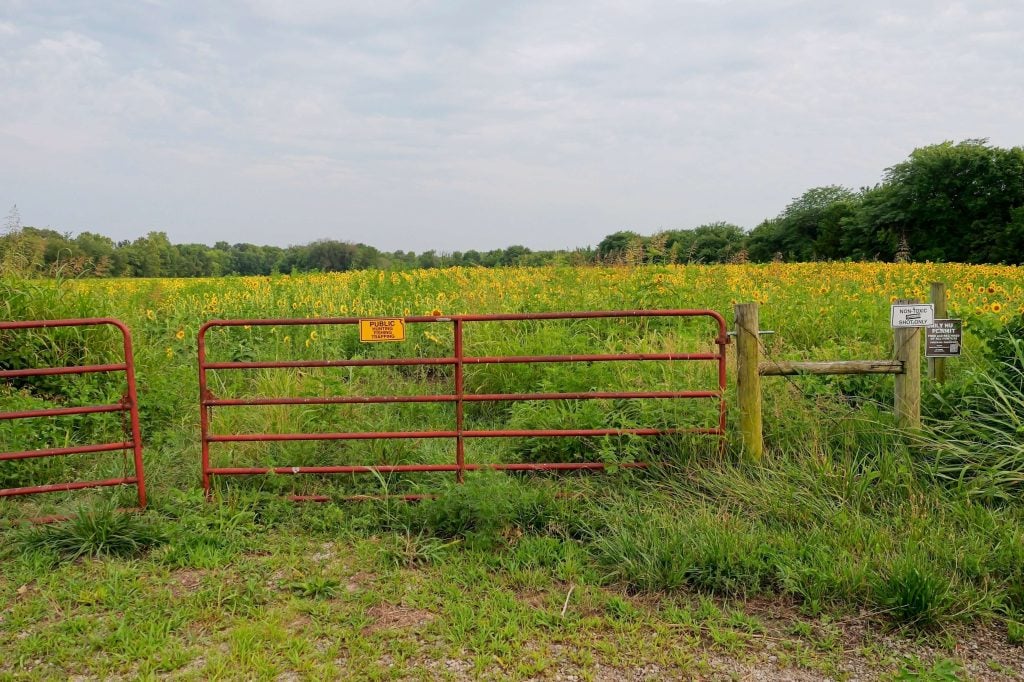
Recreational land is one of the most personal purchases a person makes, and it is also one of the most consequential if due diligence is skipped. A 160-acre hunting tract in south-central Kansas and a 200-acre timbered bottom in Missouri sit in completely different markets, carry different title considerations, and serve completely different purposes on opening day. Both require specific questions answered before the earnest money goes down, and the answers determine whether you get what you actually wanted or a property that looked good in the photos but does not perform in practice.
This guide covers what to evaluate when buying recreational land anywhere in the central United States. It moves from defining your purpose through assessing access, water, terrain, mineral rights, and the financing options that make recreational purchases work. Every point below reflects something that has come up in actual transactions in Kansas, Missouri, Oklahoma, Nebraska, and Arkansas, not a checklist assembled from generic real estate advice.
Start With the Purpose of the Land
Recreational land fails buyers who never clearly answered the first question: what do I actually want to do here? The answer determines every other decision, from which state and county to focus on, to which specific features carry real weight versus which ones just photograph well. Buyers who skip this step end up touring properties that do not actually fit their needs and making offers on tracts they talked themselves into rather than tracts that serve a genuine purpose.
The most common use cases we work through with buyers cover several distinct categories. Understanding which one you are actually buying for changes the evaluation criteria significantly.
- Hunting. Species matters more than acreage. Deer hunters in eastern Kansas want timber, creek bottom, and proximity to ag fields. Quail hunters in central Kansas want CRP ground and native grass. Turkey hunters in the Missouri Ozarks want timbered ridges with hardwood flats. Waterfowl hunters in Arkansas want proximity to the Mississippi Flyway and standing water that holds through the season.
- Fishing and water-based recreation. Live water features, ponds, river frontage, or lake access drive the value here. Confirm water rights and whether the water feature is reliable through dry years before you treat it as the property’s headline, since a pond that disappears in August is worth far less than one that holds through a drought year.
- ATV, equestrian, or trail use. Terrain and road access matter most for this purpose. Steep, timbered ground with existing trail infrastructure is valuable for this use. Open prairie is not, and buyers who discover this after the fact are hard to satisfy.
- Weekend retreat or build site. Utilities access, road quality, cellular coverage, and proximity to a town with basic services become the primary evaluation factors. A property that is spectacular in person but four hours from the nearest hardware store is a different long-term commitment than one that presents the same way but sits thirty minutes from a county seat.
- Combination use. Many buyers want a property that can do more than one thing. A tract with crop income, a hunting lease, and a pond for the kids covers multiple needs and tends to hold value better than single-use ground. These properties also carry more complexity in the due diligence, and understanding that complexity before making an offer is worth the time.
Most recreational buyers overweight acreage and underweight quality of specific features. A 100-acre tract with reliable live water, good road access, and proven wildlife sign will outperform a 300-acre tract with marginal cover, no water, and a gated county road as its only access in terms of both practical use and long-term resale value.
Check Water Rights Before You Buy
Water is the single feature that changes recreational property value most dramatically. A pond, spring, creek, river, or reliable seasonal wetland concentrates wildlife, extends hunting opportunity through dry periods, adds fishing as a use case, and provides a water source for cattle or horses if the operation ever grows in that direction. Buyers who treat water as a given rather than a question worth investigating are routinely surprised by what they find at the title stage or after closing.
Before treating any water feature as given, verify whether it is on the deed or merely adjacent, since a lot that borders a river does not include the river unless the conveyance language explicitly says so. In Kansas, only three rivers carry public navigability status under state law, meaning a buyer along the Neosho or Verdigris controls access to that water outright rather than sharing it with the public. A full breakdown of navigability status across the state’s major waterways is covered in our rivers in Kansas guide. In Nebraska and western Kansas, groundwater and irrigation rights are tied to specific parcels and can be separated from the surface estate entirely, so confirming what water rights convey with the purchase is not optional. Ask the seller what the property looked like during the worst drought year in recent memory, because a pond that disappears for three months a year is a different investment than one that holds through dry conditions.
Confirm Road Access Before You Make an Offer
Legal road access is not guaranteed just because you can drive to a piece of ground. A landlocked parcel without deeded road frontage or a recorded easement may appear accessible but has no legal right of entry, and this is more common than most buyers expect in states where older metes-and-bounds descriptions govern rural parcels, and access was historically assumed rather than formally recorded. Discovering an access problem at the title commitment stage is a much worse outcome than discovering it during due diligence, so this review should happen before an offer is written.
Confirm the parcel has deeded access or a recorded easement to a public road, then walk the actual route before forming an opinion on what that access is worth. A recorded easement across 400 yards of bottomland that floods three months a year is not the same asset as a dry county road, and the difference only becomes clear when you put boots on it. Properties moving through our land auctions are reviewed for these issues before they go to market, but on private sale transactions, the access review is the buyer’s responsibility. In Oklahoma and parts of Kansas where oil and gas activity is significant, pipeline or utility easements can cut across a property and limit use of specific areas in ways that do not appear until someone pulls the instrument index at the county courthouse.
Terrain and Cover Quality
Timber Quality and Species
In Missouri land and Arkansas timbered tracts, timber type dictates wildlife use in ways that raw acreage figures do not capture. Mature white oak produces mast that concentrates deer and turkey in ways that a planted pine plantation simply does not, and knowing what you are walking under before you assume the cover is as good as it looks from the road is worth the time it takes to actually walk the tract. A buyer who skips this step and discovers post-closing that the majority of the wooded acreage is planted pine rather than hardwood bottomland is looking at a different property than what they thought they were buying.
What Existing Improvements Are Really Worth
CRP ground in Kansas and Nebraska provides both wildlife habitat and annual income, but the contract expiration date, annual payment rate, and what the ground reverts to if it exits the program all change the value picture significantly. Know those details before treating CRP income as a permanent feature of the property, since a contract that expires eighteen months after closing is a very different situation from one with seven years remaining. Existing improvements like established food plots, working water developments, permitted outbuildings, and trail systems represent real value when they are in functional condition, and the word “permitted” carries more weight than most buyers realize, since unpermitted structures can complicate a transaction and create liability that transfers with the deed.
Mineral Rights and Timber Rights
In many parts of the central United States, the mineral estate has been severed from the surface estate over decades of oil, gas, and mining activity. This means the person selling you the surface of a property may not own what is underneath it, and a third party may have the legal right to access the surface to develop those minerals. Understanding the mineral estate status before closing is not optional, because a split estate can affect surface use in ways that directly reduce the recreational value of the property. In Oklahoma and Arkansas specifically, where oil and gas rights have been widely separated over generations of energy development, the correct default assumption is a split estate until the title commitment confirms otherwise.
At the title stage, confirm what percentage of the mineral estate the seller actually owns, what percentage conveys with the purchase, and whether any existing oil, gas, or mining leases carry surface access rights. Timber rights deserve the same scrutiny in heavily timbered states. If the timber on a Missouri or Arkansas tract was recently sold to a third party under a timber deed, those trees may not convey with the land at all, and that changes the character of what you are buying more than any other single factor. A standing timber cruise and a review of any existing timber contracts should be completed during the inspection period, not after the window closes.
How Hunting Lease Income Affects Land Value
Recreational land does not have to be a pure cost center. Properties across our five-state footprint carry existing hunting leases that provide income while the buyer holds the land, and a lease that has been in place for several seasons with a responsible group is a real asset that transfers value to the buyer. Understanding how those leases work, what they protect the landowner from, and what they restrict is worth doing before you assume the income is straightforward.
If the property you are evaluating carries an existing lease, the terms follow the property rather than the seller. Access schedules, harvest restrictions, group size limits, and liability language all become your responsibility at closing, which is why reviewing those documents during the inspection period matters. A verbal agreement with no written terms is a liability dressed up as income, and confirming the lease is properly documented before you close is as important as confirming the boundary lines are where the deed says they are.
Recreational Land Financing Options
Recreational purchases do not always fit standard residential mortgage products, and buyers who approach their first land purchase expecting a home loan process are frequently surprised by the differences in down payment requirements, collateral evaluation, and lender familiarity with rural acreage. Banks that specialize in farm and ranch lending understand the collateral better than most conventional lenders and are set up to evaluate raw acreage without buildings as legitimate collateral rather than treating it as an exception to their guidelines.
- Farm Credit institutions, including Frontier Farm Credit and High Plains Farm Credit, are designed specifically for rural and agricultural land. Down payment requirements typically run 20 to 35 percent, and these lenders understand the value of recreational acreage in a way that most residential banks do not.
- Seller financing is common on smaller recreational tracts and often means lower upfront costs and more flexible terms. Confirm that any existing liens are released at closing and that the seller holds clear authority to carry the note.
- Regional agricultural banks with rural lending history offer land loans on recreational ground, though terms vary and loan-to-value ratios tend to be more conservative than Farm Credit.
Pre-approval before you start actively looking matters because good tracts in strong hunting regions move quickly, and a buyer who has a lender relationship and knows their number can act on opportunities that a buyer starting from scratch cannot. Our farmland and recreational listings often attract multiple interested buyers, and financing readiness is what separates a completed transaction from one that falls apart at the deadline when the seller moves on to the next offer.
What to Look at in Comparable Sales
The most common mistake recreational buyers make is pricing a property based on how much they want it rather than what the market actually supports. Comparable sales for recreational land require looking at tracts of similar size and character in the same county or region rather than the same state, since county-level differences in land character, hunting pressure, and buyer demand produce meaningful price variation even across short distances within a single state.
When reviewing comparable sales, confirm whether those transactions included timber rights, mineral rights, or existing improvements, since a per-acre price that included a working cabin and a full mineral estate is not directly comparable to one that did not. Look at how long properties in that specific area typically sit before selling, which tells you something about the balance between supply and demand for that type of ground. Looking at what has actually changed hands is always more reliable than what a seller says comparable ground is worth, and your agent should be able to pull regional sold data to give you a real baseline before you write a number into a contract.
A Good Land Agent Sees What Buyers Miss
The most useful thing a buyer can do early in a recreational search is work with an agent who has actually been on similar ground in the same region, not just one who holds a real estate license in that state. Recreational properties involve enough distinct variables, including access, water, mineral rights, timber, CRP enrollment, and hunting history, that a generalist residential agent handling an occasional rural listing is not equipped to catch the things that matter most. The difference between a buyer working with a qualified land agent and one who is not shows up most clearly when something goes wrong during due diligence, and by then it is too late to wish the decision had been made differently at the start.
Our team covers Kansas, Missouri, Oklahoma, Nebraska, and Arkansas, and we can connect you with an agent who knows the specific counties you are searching and can tell you directly whether the features a seller is marketing actually translate into the outdoor experience you are after. The Meet Our Team page lists agents by region and gives you a direct line to the right person before you spend time looking at ground that does not fit what you actually need. Getting that conversation started early costs nothing and changes the quality of every property evaluation that follows.