
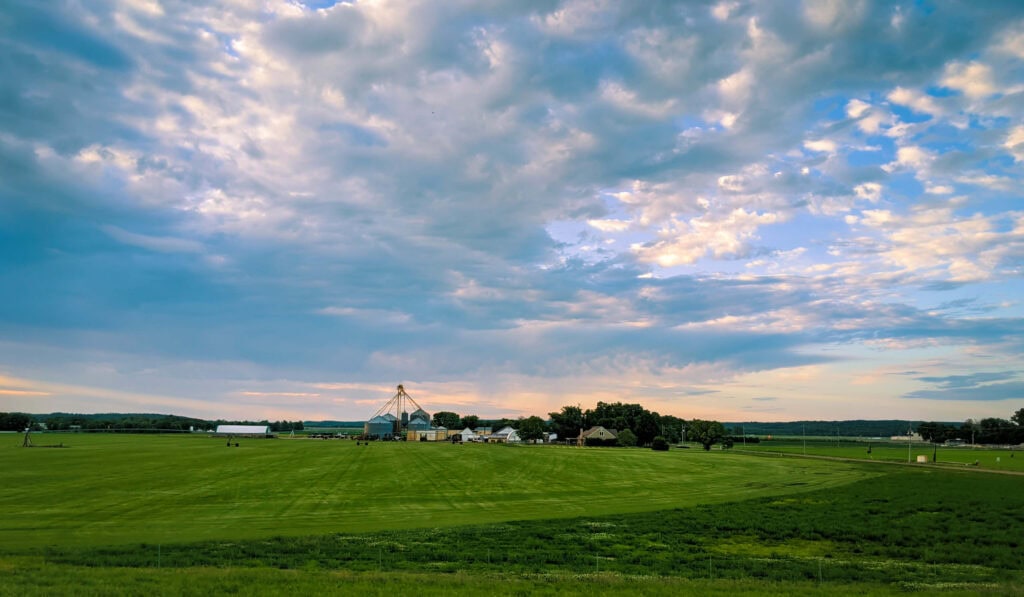
Starting a farm in Kansas puts you in good company. The state has a strong agriculture tradition and plenty of support for new farmers. Federal and state grants exist specifically to help people like you get started, but finding them takes some digging.
Most new farmers spend months figuring out what money is available and how to apply for it. The good news is that grant programs run year-round, and many specifically target beginning farmers. You just need to know where to look and how to position yourself as a strong candidate.
USDA Grants Available to Kansas Farmers
The U.S. Department of Agriculture runs several programs that Kansas farmers can tap into. These federal grants typically offer the largest awards but come with strict application requirements and deadlines.
- Value-Added Producer Grant (VAPG) helps farmers develop new products and find better markets for what they grow. Planning grants go up to $75,000, while working capital grants reach $250,000. In 2016, Kansas received $785,940 in VAPG funding across six operations, including Bauman’s Cedar Valley Farms in Garnett for non-GMO livestock feed production. Beginning farmers get priority consideration.
- Specialty Crop Block Grant supports fruit, vegetable, tree nut, and nursery crop operations. Kansas received over $328,000 in Fiscal Year 2023 funding from this program. Recent projects included mungbean research at Kansas State University and food safety training for specialty crop growers. You apply through the Kansas Department of Agriculture, not directly to USDA.
- Farmers Market Promotion Program (FMPP) builds market access through grants from $50,000 to $500,000. The program covers capacity building, community development training, and marketing activities. You need to provide a 25% match, but the funding helps establish direct-to-consumer sales channels.
- Beginning Farmer and Rancher Development Program (BFRDP) provides grants to organizations that train new farmers. While you cannot apply directly, these organizations offer education, mentorship, and technical assistance that strengthen your other grant applications.
- Organic Certification Cost Share covers up to 75% of certification costs, with a maximum of $750 per operation annually. Kansas farmers who complete organic certification can access premium markets and additional grant opportunities.
- Rural Energy for America Program (REAP) offers both grants and loans for renewable energy systems and energy efficiency improvements. Grants range from $2,500 to $1 million for renewable energy projects and $1,500 to $500,000 for efficiency upgrades. Rural areas with populations under 50,000 qualify.
Most USDA programs operate on annual cycles with applications due in fall or winter. Award amounts vary widely, but successful applicants typically receive between $20,000 and $250,000 depending on the program and project scope.
Kansas State Grants and Support
The Kansas Department of Agriculture administers several state-level programs that complement federal funding. These grants often have simpler applications and focus on local priorities.
The state runs specialty crop enhancement programs, conservation cost-share initiatives, and agribusiness development funding. Many programs require matching funds, usually 25% to 50% of the total project cost. Eastern Kansas and areas near major cities sometimes get priority, but statewide programs exist too.
Kansas also participates in the Sustainable Agriculture Research and Education (SARE) program. SARE North Central has awarded numerous grants in Kansas since 1988, focusing on sustainable farming innovations. Individual farmer grants typically run up to $25,000, while collaborative projects can reach $29,000.
Private and Community Grants
Smaller grants from private organizations often prove easier to win than federal programs. These typically range from $1,000 to $10,000 and work well for specific equipment purchases or small infrastructure projects.
- Fund-a-Farmer Grants from Food Animal Concerns Trust awarded over $250,000 to 87 farms in 2023. These grants support animal welfare improvements like fencing, water systems, and housing upgrades. Individual awards typically reach up to $3,000. Applications open annually until early January.
- FruitGuys Community Fund provides up to $5,000 for small and medium farms working on sustainability projects. They fund water conservation, pest control improvements, and energy efficiency upgrades. Applications close at the end of January each year.
- Young Farmer Grant Programs through the National Young Farmers Coalition offer flexible funding for beginning operations. These grants help with equipment, infrastructure, and even personal expenses that support farm development.
- Sky High Farm Grants target Black, Indigenous, Latinx, Asian, Pacific Islander, migrant, and refugee farmers. The program addresses barriers these groups face in accessing land, tools, and education.
- Farm Bureau Innovation Challenge awards prize money to agriculture startups developing new solutions. Recent competitions have offered a total of $145,000 to $165,000 in startup funds, with the top winner receiving $50,000 to $100,000 depending on the year. Semi-finalists attend a live pitch competition and networking event where they present ideas to Farm Bureau members, investors, and industry representatives.
Grant Application Best Practices
Strong applications follow a predictable pattern. Start gathering documents early, because the paperwork takes longer than most people expect. You need tax returns, financial statements, business plans, and production budgets ready before deadlines hit.
Write your proposal clearly and specifically. Grant reviewers see hundreds of applications, so make yours easy to understand. Include real numbers, timeline details, and measurable outcomes. Show how the grant money will create lasting improvements to your operation.
Meet deadlines exactly. Late applications get rejected automatically, regardless of quality. Submit everything at least a few days early to avoid technical problems or missing documents.
Kansas SARE coordinators and USDA outreach staff provide free application help. Use these resources, especially for your first few applications. They know what reviewers look for and can help you avoid common mistakes.
Alternatives If You Do Not Qualify
Farm Loans Through USDA
The Farm Service Agency provides direct and guaranteed loans when grants fall short. Beginning farmer loans offer favorable terms, and the microloan program provides up to $50,000 with simplified applications. These loans work well for land purchases, equipment, and operating expenses.
Equipment Financing and Business Lines
Traditional lenders offer equipment financing specifically for farm machinery and tools. Small Business Administration loans also serve agricultural operations, often with competitive rates and longer repayment terms.
Commercial Real Estate Loans
Land purchases sometimes require specialized financing. Commercial real estate loans help buy farmland, while construction loans support building barns, storage facilities, or processing areas.
How Red Cedar Land Co. Helps
Working with Red Cedar Land Co. puts you in a stronger position for grant applications. We connect clients with experienced agricultural consultants who understand grant requirements and deadlines. These advisors help identify which programs fit your specific farming goals and location.
Our team also helps you find land for sale that matches grant criteria. Some programs require specific acreage, soil types, or conservation features. We know which properties work best for different grant programs and can guide your search accordingly. When you own the right land, grant applications become much stronger because you can provide detailed site plans and production projections.