
Key Takeaways
- Only three rivers in Kansas allow public access for recreation: the Kansas, Arkansas, and Missouri Rivers.
- The Kansas River works well for paddling and fishing. The Arkansas sees seasonal flow swings. The Missouri suits experienced users due to size and current.
- Most riverbanks in Kansas are privately owned, so understanding access law is required before any trip.
- Smaller rivers and tributaries still support wildlife habitat and local recreation, even with limited access.
- Riverfront land carries premium value because of how scarce it is in this state.
Kansas might surprise you with its water resources. The state contains more than 10,000 miles of rivers and streams flowing across the prairie landscape. These waterways have shaped the state’s history, supported its agriculture, and continue to provide recreation opportunities for residents and visitors alike.
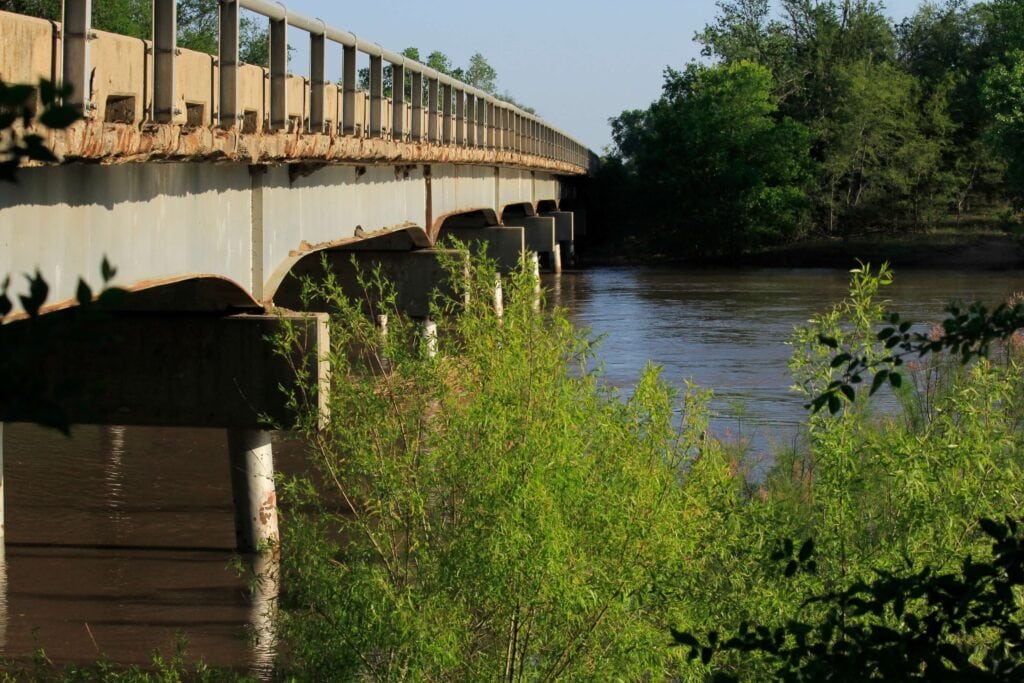
Most people do not realize that only three rivers in Kansas allow public access for recreation. The Kansas River, Arkansas River, and Missouri River are the sole waterways where you can legally boat, fish, or camp without getting permission from private landowners first. This makes these three rivers particularly valuable for anyone interested in water recreation or owning property with water access.
The Kansas River (The Kaw)
The Kansas River flows for 173 miles across the heart of the state, starting where the Smoky Hill and Republican Rivers meet at Junction City. The river winds eastward through Manhattan, Topeka, and Lawrence before joining the Missouri River at Kansas City. People call it “the Kaw,” which comes from the Kanza Native American tribe that lived along its banks. This prairie river received National Water Trail designation in 2012, making it only the second such designation in the country at the time, and it drains more than 53,000 square miles across Kansas, Nebraska, and Colorado.
- Nineteen public boat ramps spread along the 173-mile stretch provide legal access without landowner permission.
- Sandbar camping costs nothing and requires no reservations, though you need a fishing license if you plan to fish.
- The sandy bottom and frequent sandbars create natural rest stops and camping spots between high water marks.
- Channel catfish up to 20 pounds, flathead catfish, large-mouth bass, and crappie provide good fishing opportunities.
- The public corridor includes 18,800 acres of parkland within the ordinary high water marks.
- Experienced paddlers should avoid the river when flows exceed 8,000 cubic feet per second due to fast currents and submerged sandbars.
The Arkansas River
The Arkansas River stretches 1,469 miles from Colorado to Arkansas, making it the sixth-longest river in America. About 192 miles of this river flow through Kansas, from Great Bend to the Oklahoma border. Kansans pronounce it “Ar-Kansas,” and many people simply call it the “Ark River.” The river earned National Water Trail status in 2016 for its Kansas section. However, it behaves differently from most rivers because surface water sometimes disappears completely during drought periods in Southwest Kansas before regaining flow as it moves east.
- More than twenty legal public access points serve paddlers and anglers along the 192-mile Kansas section.
- Surface water often disappears in western Kansas during dry years, leaving only scattered pools until eastern tributaries restore flow.
- Great Bend area wetlands and Cheyenne Bottoms provide critical stopover habitat for millions of migrating birds.
- Wichita serves as the main hub for river outfitters offering guided float trips and equipment rentals.
- Channel catfish and flathead catfish thrive in deeper pools, especially near Wichita and downstream areas.
- The Kansas Alliance for Wetlands and Streams completed new access point signage improvements through 2024.
The Missouri River
America’s longest river forms the northeastern border of Kansas, separating the state from Missouri along its 2,341-mile journey from Montana to St. Louis. Several Kansas communities sit along its banks, including Atchison, Leavenworth, Kansas City, White Cloud, and Elwood. This massive river holds deep historical significance for Kansas, as the Lewis and Clark Expedition camped for three days where the Missouri meets the Kansas River at what is now Kaw Point Park in Kansas City, and early settlers used the Missouri as their main highway for trade and transportation.
- Kaw Point Park in Kansas City features riverside trails along both the Missouri and Kansas Rivers, plus a 500-seat amphitheater.
- Riverfront Park in Atchison offers public boat ramps, fishing access, and views of the historic riverfront district.
- Strong currents and the river’s massive size make it suitable primarily for experienced boaters with proper equipment.
- Public access points in Leavenworth and Elwood provide fishing spots for catfish, bass, and other river species.
- Historic river towns offer antique shopping, riverboat casinos, museums, and restaurants within walking distance of the water.
- Birdwatching opportunities include bald eagles, great blue herons, and migrating waterfowl along wooded stretches.
Other Notable Rivers in Kansas
Blue River
The Blue River begins in Johnson County, Kansas, and flows north through the Kansas City metropolitan area before joining the Missouri River in Independence, Missouri. Two-thirds of all water in the Kansas City area drains into this 41-mile river. Development pressure has hurt water quality over the years, but conservation groups work to protect the remaining natural areas. The Nature Conservancy has purchased conservation easements around the river’s headwaters to maintain water quality and reduce flooding downstream.
Cimarron River
The Cimarron flows through Southwest Kansas, though it often runs dry on the surface during drought years. This river played an important role in frontier history as part of the Santa Fe Trail route. Today it supports limited recreation when water levels allow and provides wildlife habitat in its scattered pools and wetlands.
Smoky Hill and Republican Rivers
These two rivers join at Junction City to form the Kansas River. The Smoky Hill flows from Colorado across western and central Kansas, while the Republican River originates in Colorado and flows through Nebraska before entering Kansas. Both rivers face water management challenges due to agricultural use and periodic droughts, but they remain important for local recreation and wildlife.
Verdigris, Neosho, and Marais des Cygnes Rivers
Southeast Kansas contains several rivers that support fishing, wildlife viewing, and limited boating. The Verdigris River flows through the Coffeyville area, while the Neosho River drains much of east-central Kansas. The Marais des Cygnes River (pronounced “Mah-ray day SEEN”) flows through the eastern border region. All three rivers remain on private property for most of their length, but some public access exists through state wildlife areas and parks.
Recreation on the Kansas Rivers
Kansas rivers offer diverse recreation opportunities, though access rules vary significantly between public and private waters. The three major rivers provide the most options for visitors who do not own waterfront property.
- Fishing produces channel catfish and flathead catfish on most Kansas rivers, while eastern streams also hold spotted bass, largemouth bass, and crappie.
- Boating and kayaking work best on the Kansas and Arkansas Rivers, both designated National Water Trails with established access points and safety information.
- Wildlife viewing opportunities include wetland birds, deer, turkey, and other prairie species along riparian corridors.
- Camping on sandbars is allowed between high water marks on public rivers, but requires permission elsewhere.
- Trails and parks near rivers offer hiking, picnicking, and educational programs about prairie ecology and history.
Riverfront Property and Land Access in Kansas
Only three rivers in Kansas allow public access between their ordinary high water marks. You can legally boat, fish, or camp on sandbars as long as you launch from a public access point and stay below the high water line. Every other stream and river in Kansas sits on private property and requires landowner permission for any recreational use. This makes riverfront property valuable because it provides exclusive access to fishing, hunting, and water recreation that most people cannot legally enjoy.
Red Cedar Land helps buyers navigate these water access rules when searching for land for sale in Kansas. Our experience with farms, recreational properties, and riverfront tracts means we can explain water rights, irrigation potential, and long-term investment value. Properties might include hunting ground with seasonal creeks, farmland with Arkansas River irrigation rights, or recreational tracts near the Kansas River corridor. The combination of exclusive access, agricultural benefits, and recreation potential makes riverfront land particularly attractive to investors, farmers, and families seeking outdoor lifestyle opportunities.