
Key Takeaways
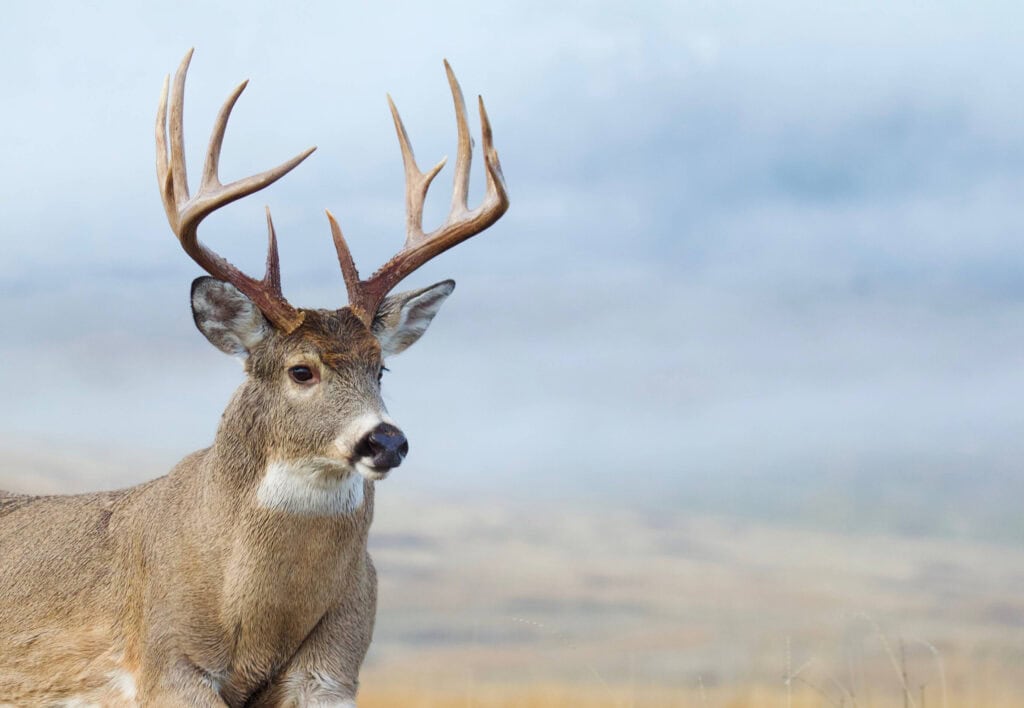
- Kansas ranks 8th nationally for trophy whitetails with 867 Boone & Crockett entries on the books.
- Hunter success rates run around 59%, helped by the one-buck rule, strong genetics, and abundant ag food sources.
- South Central Kansas (Units 12-16) consistently produces the biggest antlers in the state.
- Hunting leases bring in $10 to $50 per acre annually, depending on region and proven deer history.
- Long seasons from September through January give hunters flexibility, but draw systems still require planning ahead.
Kansas has built a solid reputation among serious whitetail hunters for good reason. The state ranks 8th nationally with 867 Boone & Crockett entries and maintains around 700,000 deer across diverse habitats. Hunters post a 59% success rate, which reflects both abundant deer populations and smart management practices.
The foundation of Kansas trophy production comes from the one-buck rule that keeps mature bucks alive longer, combined with agricultural food sources that fuel exceptional antler growth. Land values have increased 60% since 2019, while hunting leases generate $10 to $50 per acre annually.
Trophy Potential Backed By Record Book Entries
Kansas holds some impressive records that demonstrate consistent trophy production. The state claims the 11th largest non-typical whitetail at 295 points from Marshall County, while Brian Butcher’s 321-3/8 inch buck ranks 4th all-time. Gerald Rightmyer’s 272-2/8 inch deer from Morris County shows this production happens statewide.
The one-buck rule allows bucks to reach maturity instead of being harvested young. Agricultural food sources provide nutrition that rivals anywhere in North America. Outfitters regularly harvest deer in the 140-150 inch range, with multiple 160-plus animals taken each season.
Regional Hunting Opportunities Vary By Terrain And Deer Density
Eastern Kansas offers the highest deer numbers
Units 9, 10, 11, and 14 hold the most whitetails per square mile in Kansas. Unit 11 receives 3,523 nonresident permits, making it most accessible for out-of-state hunters. This region features heavy timber, oak forests, and creek bottoms that mature bucks prefer.
Tree stands work best along travel corridors between bedding areas and crop fields. Key counties include Anderson, Bourbon, Butler, and Greenwood. Small crop fields mixed with timber create ideal edge habitat. Hunting pressure runs higher here, and premium properties cost more to lease. Quality leases range from $3,200 to $14,400 annually.
South Central Kansas produces the largest antlers
Units 12-16 consistently yield the biggest-bodied deer with impressive antler growth. The Flint Hills ecosystem creates prime conditions with tallgrass prairie and limestone country. Unit 12 offers 2,193 nonresident permits with lower deer numbers but superior genetics.
Ground blinds work better than tree stands in open country. Focus areas include:
- Creek bottoms and brushy draws.
- Water sources during dry periods.
- CRP grasslands that provide bedding cover.
- Grain sorghum and wheat fields.
This region favors patient hunters willing to wait for quality over quantity.
North Central Kansas provides balanced opportunities
Units 3, 4, 5, 7, and 8 offer moderate deer densities with solid trophy potential and better public land access through WIHA. The Smoky Hills region features rolling grasslands and creek bottoms. Unit 8 receives 1,870 nonresident permits with reasonable draw odds.
Both stand hunting and spot-and-stalk methods work here. Reservoirs and waterways create natural funnels, while mixed farming operations provide consistent food sources.
Season Structure and Application Process
Kansas runs extended seasons from September through January:
- Archery season: September 15 – December 31
- Early muzzleloader: September 15-28
- Regular firearm: December 3-14
- Youth/disabled hunters: September 6-14
Nonresident applications are due from April 1 to April 25. The deer permit costs $477.50 and includes one whitetailed deer plus one antlerless deer. Youth permits cost $117.50, with the nonresident hunting license at $127.50.
Kansas uses a preference point system that improves odds over time. Points remain valid for five years. Draw odds exceed 90% in most units for hunters with preference points. Residents can purchase over-the-counter permits for $42.50 that work statewide with legal equipment.
Investment Potential In Kansas Hunting Land
Kansas land has appreciated a lot from 2019, with current pricing from $1,500 to $3,250 per acre. Northeast Kansas leads at $7,479 per acre for premium properties. The state shows consistent 5.3% annual growth since 1950.
Annual lease rates generate steady income:
- Small properties (80-160 acres): $3,200-$6,400 annually.
- Large premium properties (300+ acres): $9,600-$25,200 per season.
- Rate per acre: $10-$50 depending on quality.
Valuable property features include:
- Creek bottoms and water access.
- Mature hardwood timber and cedar thickets.
- Edge habitat between cover and cropland.
- Established food plots and trail systems.
- Documented trophy history.
Hunting Regulations And Legal Methods
Kansas allows deer baiting on private land, providing advantages over neighboring states. Baiting remains prohibited on all public lands, including WIHA properties.
Legal equipment includes:
- Centerfire rifles, handguns, and shotguns with slugs.
- Muzzleloaders (.40 inches diameter or larger).
- Longbows, recurve bows, compounds, and crossbows.
- Suppressors with proper federal permits.
Kansas maintains a strict one-buck rule. Nonresident permits include one buck, doe, or fawn plus one antlerless deer. Additional antlerless permits cost $52.50 each (up to 10 total). Hunter orange is required during firearm seasons.
Value For Hunters and Investors
Kansas whitetail hunting represents both quality recreational opportunities and sound investment potential. The state’s 8th-place national ranking reflects consistent trophy production through innovative management and abundant agricultural food sources.
For Land buyers, Kansas hunting properties for sale offer appreciation and income potential due to growing recreational demand. Red Cedar Land Co. can help you focus on eastern units with water access, mature timber, and Farms with established food plots for maximum returns. The state’s selective management and agricultural foundation continue to maintain trophy production despite ongoing challenges from CWD.
Kansas has become the go-to destination for serious whitetail hunters and land investors seeking recreational land for sale that delivers both immediate hunting success and long-term value appreciation.